Any Enquiry
Any Enquiry
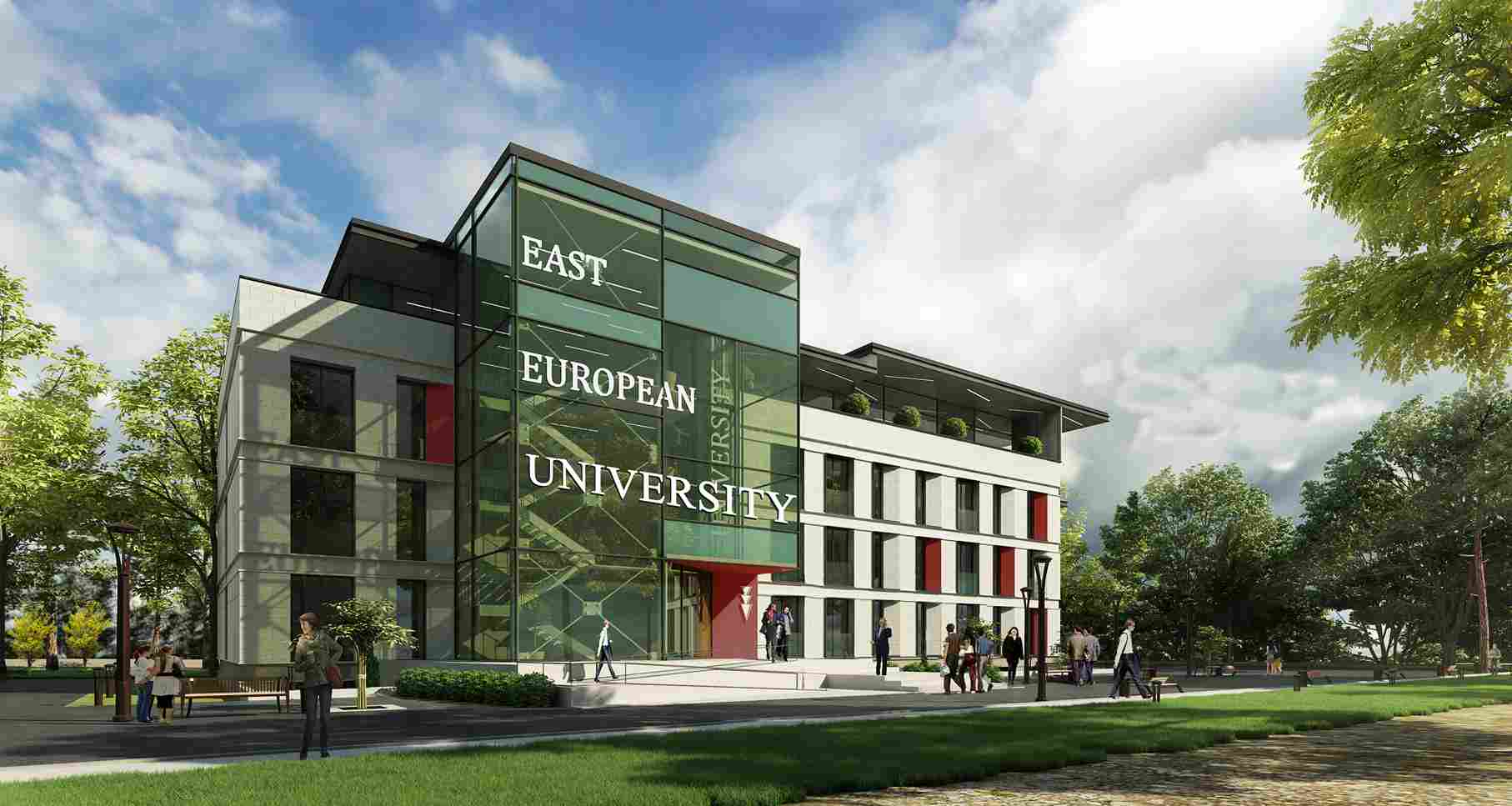
MBBS in East European University has emerged as one of the most compelling pathways for Indian medical aspirants who want a globally recognised degree without burning through a decade's savings. Located in Tbilisi — the capital of Georgia — East European University (EEU) combines European academic standards, NMC-approved curriculum, English-medium instruction, and an affordable six-year MBBS program that puts world-class medical education within genuine reach.
If you have cleared NEET and are evaluating where to pursue your dream of becoming a doctor, this guide breaks down everything you need to know — fees, eligibility, curriculum, clinical training, life in Tbilisi, and how to secure your seat without making costly mistakes.
The question is no longer whether studying MBBS abroad is valid — it is whether you are choosing the right university. East European University Georgia stands out across several dimensions that matter most to Indian students and their families.
1. NMC-Approved & Globally Recognised EEU is approved by India's NMC, listed in WDOMS (GA-0017), and recognised by WHO — making graduates eligible for FMGE/NExT (India), USMLE (USA), and PLAB (UK).
2. 100% English-Medium Instruction The entire MBBS program is taught in English. No Georgian language test, no IELTS, no language barrier — just medicine.
3. Affordable Fees Annual tuition is just USD $5,000–$5,500. The full six-year cost, including hostel and living expenses, comes to roughly ₹45–55 lakh — a fraction of what private Indian colleges charge.
4. Strong Clinical Training Students rotate through leading Tbilisi hospitals, including A. Aladashvili Central University Clinic, gaining real hands-on clinical experience before graduation.
5. Bologna Process & ENQA Member EEU follows European academic standards (ECTS), allowing credit transfers across Europe, and holds ENQA membership — a mark of verified quality assurance.
Transparency in fee planning is critical for families. Below is a clear, year-wise breakdown of the MBBS fees at East European University:
|
Year |
Tuition Fee (USD) |
Hostel Fee (USD) |
Total/Year (USD) |
|
Year 1 |
$5,500 |
$3,000 |
$8,500 |
|
Year 2 |
$5,500 |
$3,000 |
$8,500 |
|
Year 3 |
$5,500 |
$3,000 |
$8,500 |
|
Year 4 |
$5,500 |
$3,000 |
$8,500 |
|
Year 5 |
$5,500 |
$3,000 |
$8,500 |
|
Year 6 (Internship) |
$5,000 |
$3,000 |
$8,000 |
|
TOTAL (6 Years) |
$32,500 |
$18,000 |
$50,500 |
Additional Living Costs: Monthly living expenses in Tbilisi — including food, local transport, SIM, and personal items — typically range between ₹15,000 and ₹28,000 depending on lifestyle choices.
Before applying, every Indian student must confirm they meet the following eligibility requirements:
|
Criteria |
Requirement |
|
Academic Qualification |
10+2 (PCB) — minimum 50% aggregate |
|
SC/ST/OBC Category |
Minimum 40% in Physics, Chemistry, Biology |
|
NEET |
Mandatory — valid NEET UG scorecard required |
|
Age |
Minimum 17 years at time of admission |
|
English Proficiency |
IELTS/TOEFL not required (English-medium schooling accepted) |
|
Passport |
Valid Indian passport mandatory |
|
NMC Eligibility Certificate |
Must be obtained before leaving India |
Important: As per NMC regulations, Indian students must obtain an Eligibility Certificate from NMC before enrolling in any foreign medical institution. Failure to do so can affect your ability to appear for FMGE/NExT after graduation.
The MBBS program at EEU follows a structured six-year curriculum aligned with international medical standards and the NMC guidelines:
|
Year |
Key Subjects Covered |
|
Year 1 |
Anatomy, Physiology, Biochemistry, Cell Biology |
|
Year 2 |
Pathology, Pharmacology, Microbiology, Forensic Medicine |
|
Year 3 |
Internal Medicine, Surgery, Obstetrics & Gynaecology |
|
Year 4 |
Paediatrics, ENT, Ophthalmology, Dermatology |
|
Year 5 |
Community Medicine, Psychiatry, Radiology, Advanced Surgery |
|
Year 6 |
Compulsory Clinical Internship at Affiliated Hospitals |
The curriculum integrates both theoretical and practical components from the early years. Laboratory sessions, cadaver-based anatomy classes, simulation labs, and hospital rotations ensure that students are exam-ready and patient-ready.
Step 1 — Qualify NEET UG A valid NEET scorecard is mandatory — no exceptions.
Step 2 — Apply to EEU Submit the online application form. Window opens June each year.
Step 3 — Submit Documents Upload required documents. EEU reviews and shortlists candidates.
Step 4 — Receive Invitation Letter EEU issues an official invitation letter for your visa application.
Step 5 — Get NMC Eligibility Certificate Apply to NMC before departure — mandatory for all Indian students.
Step 6 — Apply for Georgian Student Visa Submit visa application at the Georgian Embassy with your documents.
Step 7 — Travel & Enroll Arrive in Tbilisi, complete registration, and begin your MBBS journey.
• Valid Indian passport (minimum 18 months validity)
• Class 10 and Class 12 mark sheets and passing certificates
• NEET UG scorecard (original)
• NMC Eligibility Certificate
• Passport-size photographs (as specified by EEU)
• Medical fitness certificate
• Birth certificate
• Completed application form from EEU's official portal
When choosing a foreign medical university, recognition is not a box to tick — it is the foundation of your entire career. Here is a summary of East European University's key recognitions:
• National Medical Commission (NMC), India — Essential for FMGE/NExT eligibility
• World Health Organization (WHO) — Enables global medical practice post-licensing
• World Directory of Medical Schools (WDOMS) — ID: GA-0017, listed since 2014
• Georgian Ministry of Education and Science — Full national accreditation
• European Association for Quality Assurance in Higher Education (ENQA) — European quality benchmark
• Bologna Process / ECTS — Credits transferable across European institutions
• Erasmus+ Research Partnerships — International academic collaborations
Tbilisi is one of Eastern Europe's most liveable and student-friendly cities. Here is a snapshot of what MBBS in Georgia life looks like beyond the classroom:
Study in Georgia consistently ranks among the safest countries in the Caucasus region and is known for its hospitality. Female students frequently cite the safety and welcoming culture as a key factor in their decision to choose Georgia for MBBS.
Indian Food & Community Tbilisi has a growing Indian student community with Indian mess facilities and home-style cooking options nearby — making the cultural transition surprisingly easy.
Cost of Living Most students manage comfortably on USD $300–$600/month, covering accommodation, food, transport, and utilities.
Campus Facilities EEU offers modern labs, a digital library, computer centres, sports facilities, and a secure hostel with Wi-Fi, furnished rooms, and 24/7 security.
After completing MBBS in East European University, Indian graduates must clear the FMGE (transitioning to NExT under new NMC regulations) to practise medicine in India. This is a competitive examination — and preparation begins not after graduation, but from Year 1 of your MBBS program.
EEU's curriculum is structured with FMGE/NExT awareness built in. The university also offers structured USMLE coaching pathways for students who aspire to practise in the United States. Students aiming for the UK have the PLAB route available after completing the degree.
READY TO BEGIN YOUR MBBS JOURNEY?
Connect with Heralds International — Your Trusted Admission Partner
From NEET verification to visa filing to your first day in Tbilisi — we handle every step.
Free Counselling
Zero Hidden Charges
End-to-End Guidance
Contact Heralds International Today!
-1771918990.jpg)