
Any Enquiry
Any Enquiry
BSc Nursing in the UK is one of the most sought-after degrees in the country — and for good reason: the UK's National Health Service (NHS) employs over 300,000 registered nurses and is actively recruiting thousands more every single year.
According to the Nursing and Midwifery Council (NMC), the UK registered over 50,000 new nurses in 2023 alone — and demand shows no sign of slowing. Whether you are a school leaver, a graduate looking to change paths, or a parent researching options for your child, this guide covers everything you need to know about pursuing BSc Nursing in the UK in 2025.
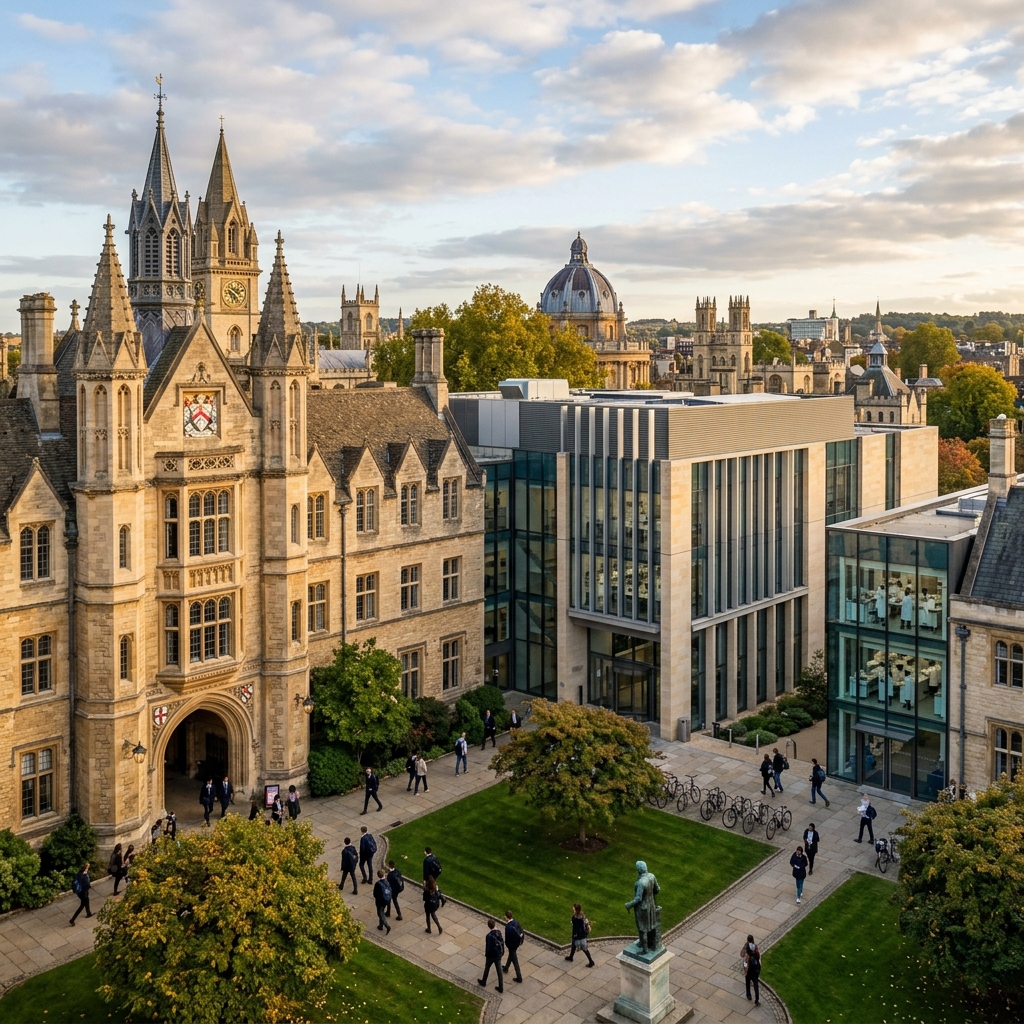
Think of a BSc Nursing degree as the master key to the UK healthcare system. It is a three-year (four years in Scotland) undergraduate degree that equips students with both the clinical skills and academic knowledge required to register as a nurse with the NMC — the UK's official nursing regulator.
| Pathway | Focus & Opportunity |
|---|---|
| Adult Nursing | Most popular; covers general hospitals & community care. |
| Mental Health Nursing | Rising demand post-pandemic; mental health crisis driving growth. |
| Child Nursing | Specialist paediatric training; children's hospitals. |
| Learning Disability Nursing | Niche but vital; strong NHS & social care demand. |
Getting into a BSc Nursing programme in the UK is more accessible than many applicants think. Universities look at both academic performance and personal qualities — because nursing is as much about character as it is about grades.
Standard Academic Requirements
| University | Location | Pathway Offered | Notable Strength |
|---|---|---|---|
| King's College London | London | Adult & Mental Health | World Top 40; NHS London network |
| University of Edinburgh | Scotland | All 4 pathways | 4-year degree; research excellence |
| University of Manchester | Manchester | Adult Nursing | Top-10 UK; large NHS Trust links |
| University of Nottingham | Nottingham | Adult & Child | High NMC pass rates |
| Cardiff University | Wales | All pathways | NHS Wales placement access |
| Queen's University Belfast | N. Ireland | Adult & Mental Health | Strong community focus |
| Oxford Brookes University | Oxford | Adult Nursing | Consistently ranked top-5 |
One of the most important changes in recent years is that the NHS Learning Support Fund (LSF) has made BSc Nursing in the UK significantly more affordable. The government re-introduced grants — money you do not have to repay.
| Student Type | Annual Fee | Funding |
|---|---|---|
| UK / Home Student | Up to £9,250 | NHS LSF Grant + Loan |
| Scottish Student | Free (SAAS) | Living cost support |
| International Student | £16k – £26k | Scholarships only |
A BSc Nursing degree in the UK is structured around a 50/50 split between academic learning and clinical practice. Think of it as learning to swim in the classroom — then actually swimming in real NHS wards.
Anatomy & physiology, communication skills. First supervised clinical placements begin.
Pharmacology, leadership principles. Longer placements in specialist NHS settings.
Dissertation project, management of care. Final sign-off for NMC registration.
Also Read: Study Abroad UK — Your Ultimate Guide
Graduating with a BSc Nursing degree in the UK unlocks one of the most versatile and recession-proof career portfolios in any profession. The NHS Agenda for Change pay scale means your earnings are transparent and structured.
| Role | NHS Band | Annual Salary | Experience |
|---|---|---|---|
| Staff Nurse (RN) | Band 5 | £28,407 – £34,581 | Newly qualified |
| Senior Staff Nurse | Band 6 | £35,392 – £42,618 | 2–5 years |
| Ward Sister / Charge Nurse | Band 7 | £43,742 – £50,056 | 5+ years |
| Advanced Practitioner | Band 8a | £53k – £60k | Specialist + MSc |
| Consultant Nurse | Band 8b–8c | £62,215 – £78k+ | Senior specialist |
A BSc Nursing qualification from the UK is internationally recognised. Graduates regularly gain registration in the USA, Canada, Australia, UAE, and across Europe — opening global career opportunities that few other degrees can match.
Research programmes and shortlist 5 universities on UCAS.
Write a compelling personal statement focusing on care experience.
Submit UCAS application before the 15 January deadline.
Attend university interviews including values-based interviews (VBI).
Accept your offer and complete DBS and Health screening.
Apply for the NHS Learning Support Fund after place confirmation.
Begin your BSc Nursing programme in September — career starts here.
Your future in healthcare begins with the right guidance. From selecting top universities to handling your entire application process, we support you at every step.